



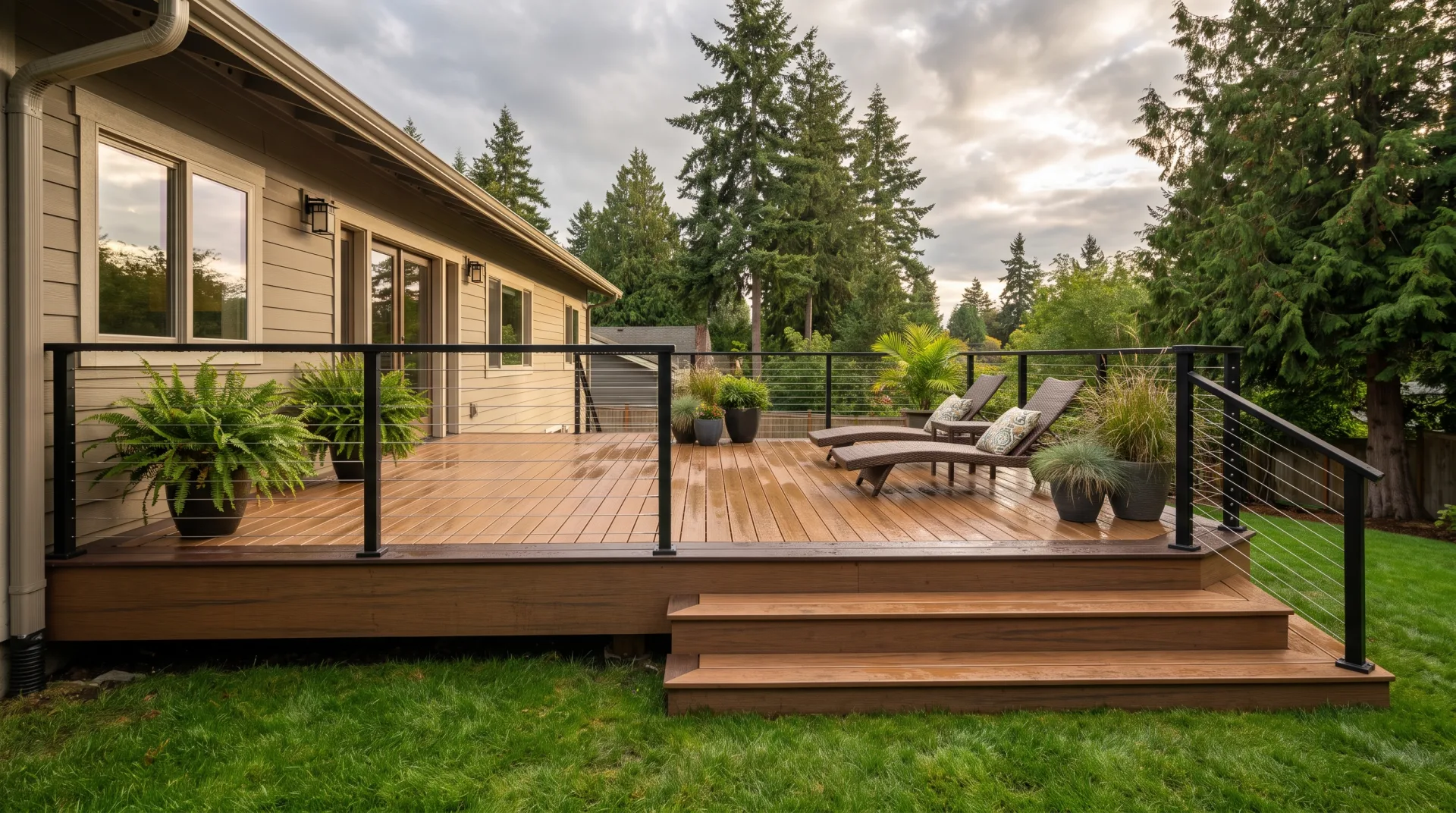
Updated October 2026 · Written by the Craft Boys crew — licensed Washington deck builders (Lic. #HOMERRA771N2) based in Redmond, with 300+ decks built and restored across Seattle and the Eastside.
"How much will my deck cost?" is the first question almost every homeowner asks us — and the honest answer is a range, not a single number. Below we break that range down: what decks actually cost in the Seattle area in 2026, why two decks of the same size can be priced $15,000 apart, how wood compares to composite in our wet climate, what each city requires for permits, and how to budget so there are no surprises.
Key takeaways
- A new deck in the Seattle area typically costs $45–$105 per square foot installed in 2026, depending mostly on the decking material.
- A common 16×20 ft (320 sq ft) deck lands around $14,000–$21,000 in pressure-treated wood, $18,000–$26,000 in cedar and $22,000–$34,000 in composite.
- Height, stairs, railing style, site access and demolition of an old deck move the price as much as the decking itself.
- Composite costs roughly 25–35% more upfront than cedar, but skips the re-sealing every 1–3 years that wood needs in the Pacific Northwest.
- Seattle requires a permit for most decks more than 18 inches above the ground; Eastside cities generally draw the line at 30 inches, attached decks or decks over 200 sq ft.
- Washington sales tax (about 10.35% in Seattle) applies to the whole project, labor included.
In this guide
- How much does a deck cost in Seattle in 2026?
- What drives the price of a deck
- Wood vs. composite in the Pacific Northwest
- Repair, restore or replace?
- Covered decks, pergolas and patio covers
- Railings and stairs: costs and code basics
- Sealing and staining in a rainy climate
- Do you need a permit?
- How long does it take to build a deck?
- Does a deck add value to your home?
- How to choose a deck builder in Washington
- Paying for your deck
- Where we build
- Deck cost FAQ
How much does a deck cost in Seattle in 2026?
In 2026 most professionally built decks in Seattle and on the Eastside cost $45 to $105 per square foot, all-in: footings, framing, decking, a standard railing, simple stairs and labor. Pressure-treated wood sits at the low end, cedar in the middle, composite near the top, and tropical hardwoods like Ipe above that. Seattle prices run higher than national averages because local labor, permitting and sales tax cost more.
For context, national cost guides put an average professionally built deck at about $30–$60 per square foot, while Angi's Seattle-specific data shows $44–$88 per square foot. The 2025 Cost vs Value report priced a 16×20 ft deck addition at $18,263 in wood and $25,096 in composite as a national average — Seattle projects usually come in above those figures.
Table 1. Typical installed cost per square foot in the Seattle area (2026)
| Decking material | Installed cost per sq ft | Good to know |
|---|---|---|
| Pressure-treated (PT) lumber | $45–$65 | Lowest upfront cost; needs cleaning and sealing every 1–3 years |
| Western red cedar | $55–$80 | Naturally rot-resistant, beautiful color; same sealing schedule as PT |
| Composite (Trex, TimberTech and similar) | $70–$105 | Higher upfront, almost no maintenance, 25–50-year manufacturer warranties |
| Ipe / tropical hardwood | $90–$140+ | Extremely dense and long-lasting; premium look and price |
These are market ranges for a deck at ground level to about one story high. Second-story decks, steep lots and custom shapes push toward the top of each range — or past it.
Deck cost by size
Multiply the area by the per-square-foot range and you get a realistic starting budget. Smaller decks usually cost more per square foot, because footings, stairs, permits and setup are fixed costs spread over fewer boards.
Table 2. Typical total cost by deck size and material (Seattle area, 2026, before sales tax)
| Deck size | Pressure-treated | Cedar | Composite |
|---|---|---|---|
| 12×12 ft (144 sq ft) | $6,500–$9,400 | $7,900–$11,500 | $10,100–$15,100 |
| 12×16 ft (192 sq ft) | $8,600–$12,500 | $10,600–$15,400 | $13,400–$20,200 |
| 16×20 ft (320 sq ft) | $14,400–$20,800 | $17,600–$25,600 | $22,400–$33,600 |
| 20×20 ft (400 sq ft) | $18,000–$26,000 | $22,000–$32,000 | $28,000–$42,000 |
Want to see what these budgets look like in real life? Browse our portfolio and recent projects, or read how we approach custom deck building from design to final inspection.
What drives the price of a deck?
Size and material set the baseline, but the structure underneath and the site around it often decide whether a deck lands at the bottom or the top of its range. These are the factors we price on every estimate.
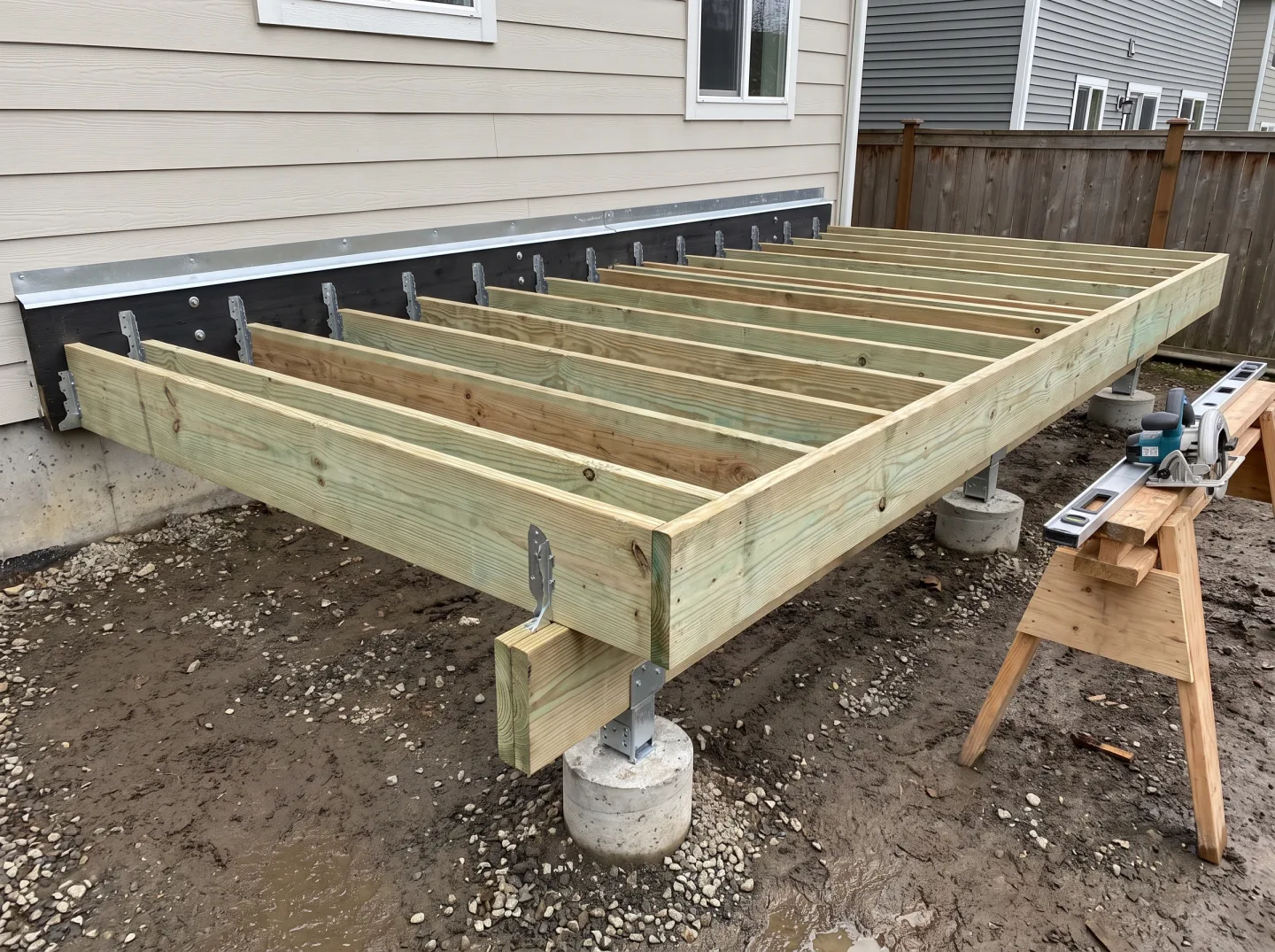
Table 3. Cost factors and how much they move the price
| Factor | Why it matters | Price impact |
|---|---|---|
| Size and shape | More area means more material; angles, curves and multiple levels add labor | High |
| Height above grade | Taller posts, bracing, engineering and guardrails; often triggers a permit | High |
| Decking material | PT vs. cedar vs. composite vs. hardwood (see Table 1) | High |
| Railing style | Wood is cheapest; aluminum, cable and glass cost several times more per foot | Medium–High |
| Stairs | Each flight needs stringers, landings and code-compliant handrails | Medium |
| Site conditions | Slopes, poor soil, tight access and critical areas slow the build | Medium |
| Demolition of an old deck | Tear-out, haul-away and disposal fees | Low–Medium |
| Permits and engineering | Plan review fees, drawings and inspections | Low–Medium |
| Extras | Lighting, built-in benches, privacy screens, skirting, covers | Varies |
One more line item people forget: in Washington, retail sales tax applies to construction labor as well as materials. In Seattle that is about 10.35% of the total, and most Eastside cities are close to it.
Get your exact number
Ranges are a starting point. We visit your home, measure, check the framing and soil, and send a written, itemized estimate within a week — no obligation.
Book a free estimateWood vs. composite decking in the Pacific Northwest
In Seattle's climate — roughly nine wet months a year — composite usually wins on maintenance and lifespan, while cedar and pressure-treated wood win on upfront cost and natural feel. Composite costs about 25–35% more to install than cedar, but you skip the cleaning and re-sealing that wood needs every one to three years here.
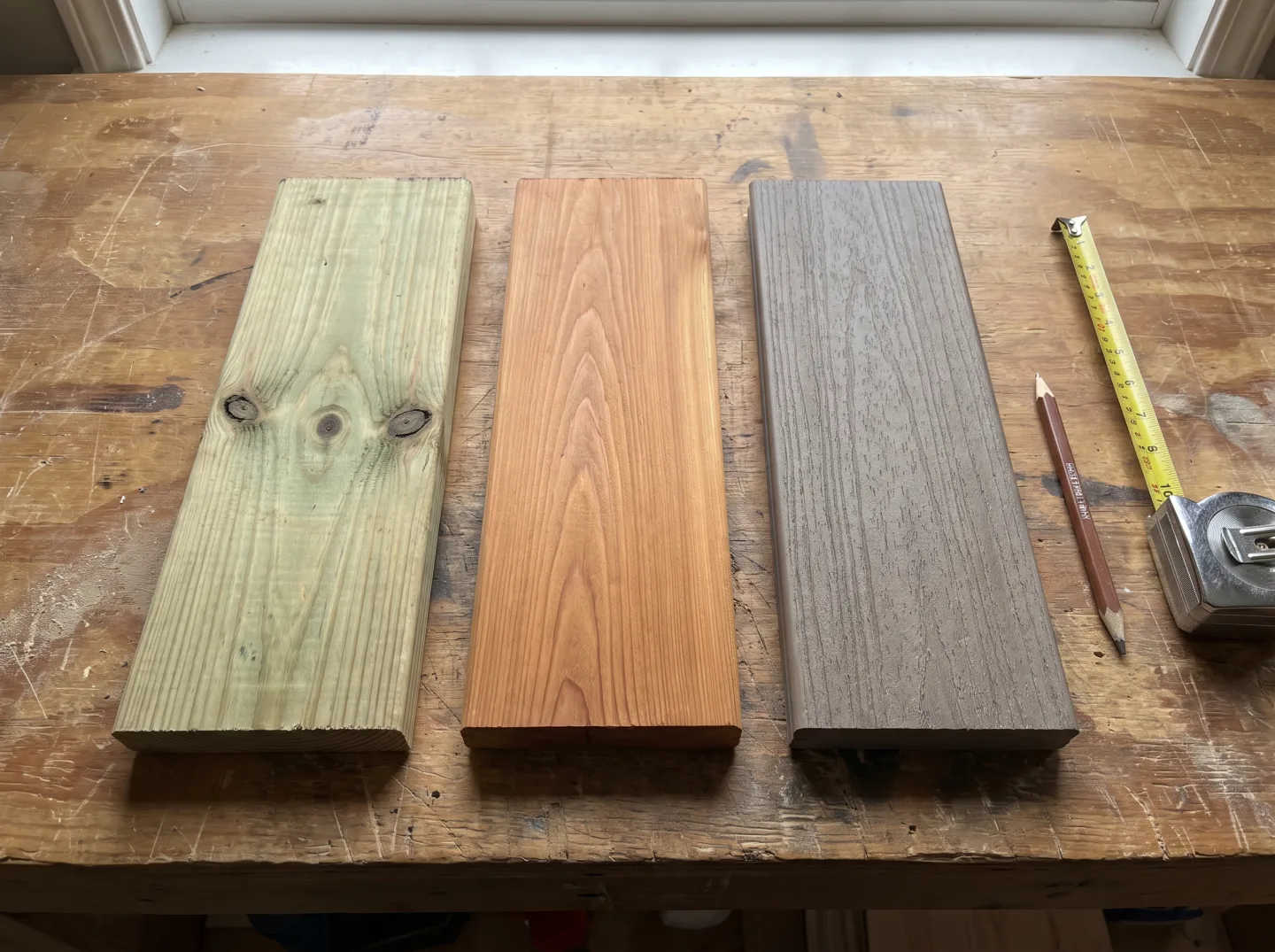
Table 4. Decking materials compared for the Seattle climate
| Material | Installed cost | Typical lifespan | Maintenance | Best for |
|---|---|---|---|---|
| Pressure-treated | $45–$65 / sq ft | 15–20 years with care | Clean and seal every 1–3 years | Tight budgets, low decks, rentals |
| Cedar | $55–$80 / sq ft | 15–20 years with care | Clean and seal every 1–3 years | Natural wood look, classic PNW homes |
| Composite | $70–$105 / sq ft | 25–50 years (per warranty tier) | Wash once or twice a year | Owners staying 10+ years, shady and damp yards |
| Ipe / hardwood | $90–$140+ / sq ft | 40+ years | Oil to keep color, or let it silver | Premium projects, high-traffic areas |
The 10-year math
Take a 320 sq ft deck. In cedar it costs roughly $17,600–$25,600 to build. Professional cleaning and sealing runs about $2–$4 per sq ft, so re-sealing every two years adds around $3,200–$6,400 over a decade. Composite costs about $22,400–$33,600 upfront and needs little more than a wash. Over ten years the two end up surprisingly close — and after that, composite keeps pulling ahead.
Whatever you choose, the framing underneath is usually pressure-treated lumber, and its condition is what really decides how long the deck lasts. That's why ground-contact-rated posts, proper ledger flashing and joist protection matter as much as the boards you pick.
Deck repair costs: repair, restore or replace?
If the framing — posts, beams, joists and ledger — is solid, repair or restoration almost always costs far less than a new deck. If rot has reached the structure, or the deck was built without flashing or with undersized lumber, replacement is safer and often cheaper long-term. Angi's Seattle data puts repairs on a 12×12 deck anywhere from about $630 to $9,500, depending on how deep the damage goes.
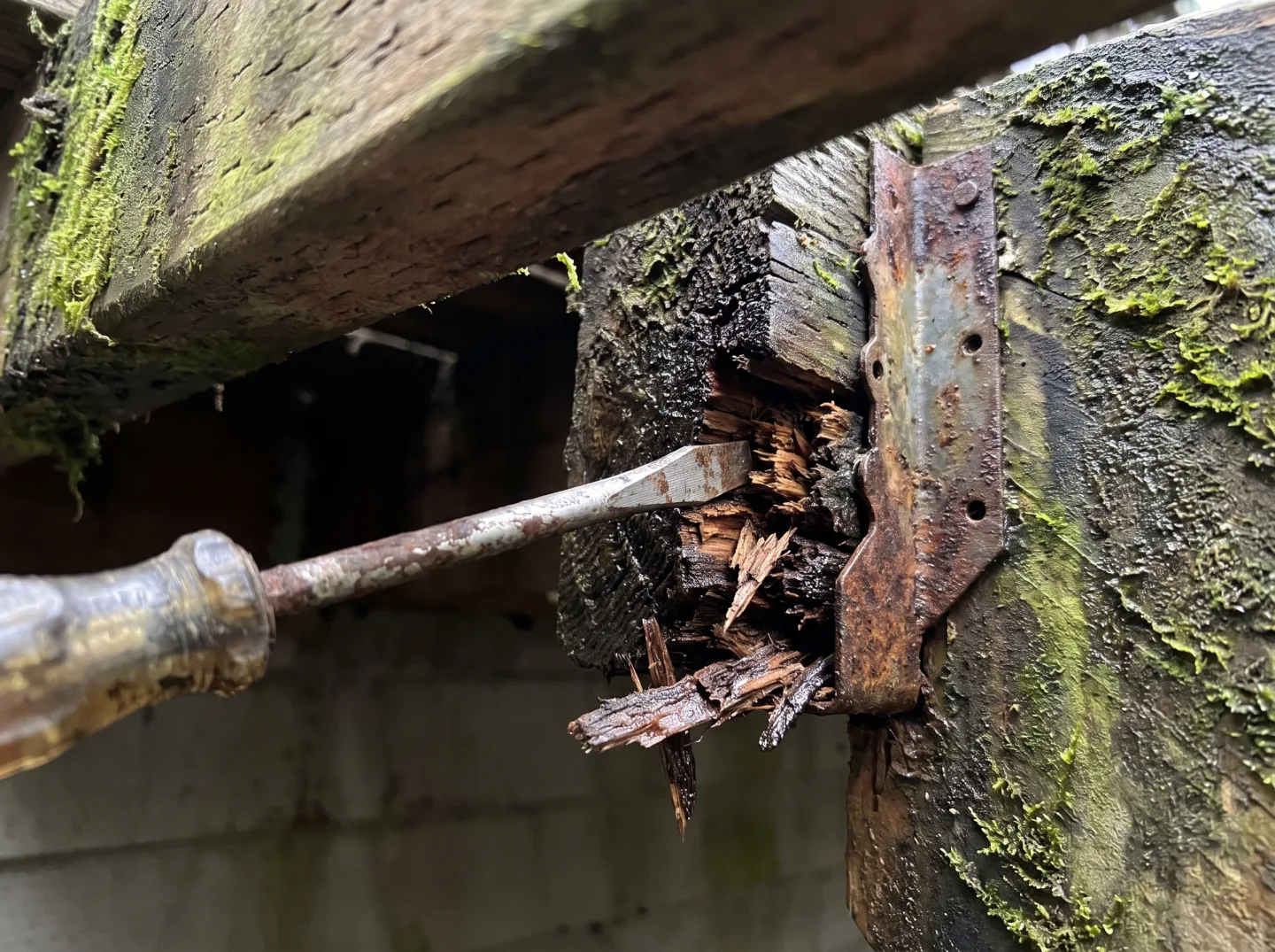
Table 5. What you see vs. what it usually takes
| What you see | Usual fix | Relative cost |
|---|---|---|
| Gray, splintery or mildewed boards on solid framing | Restoration: deep clean, sand, stain and seal | $ |
| A few soft, cracked or cupped boards | Replace individual boards | $ |
| Wobbly railing or loose posts | Re-anchor or replace posts with structural hardware | $–$$ |
| Rot at joist ends, posts or the ledger | Structural repair: sister joists, new posts and footings, new ledger flashing | $$ |
| Widespread rot, no flashing, undersized framing, deck 20–25+ years old | Full replacement | $$$ |
Warning signs worth a professional look: boards that feel spongy, posts sitting directly on soil, rusted hangers and fasteners, water stains on the siding below the ledger, and any railing that moves when you lean on it. Learn more about our deck repair and deck restoration services, or see a real example: a Redmond deck rebuild and expansion.
Covered decks, pergolas and patio covers
A cover is what turns a Seattle deck from a four-month space into a year-round one. An open pergola adds shade and structure; a pergola with a clear polycarbonate roof or a solid patio cover keeps the rain off while letting light through. Expect covers to add five figures to a project, with open pergolas costing far less.
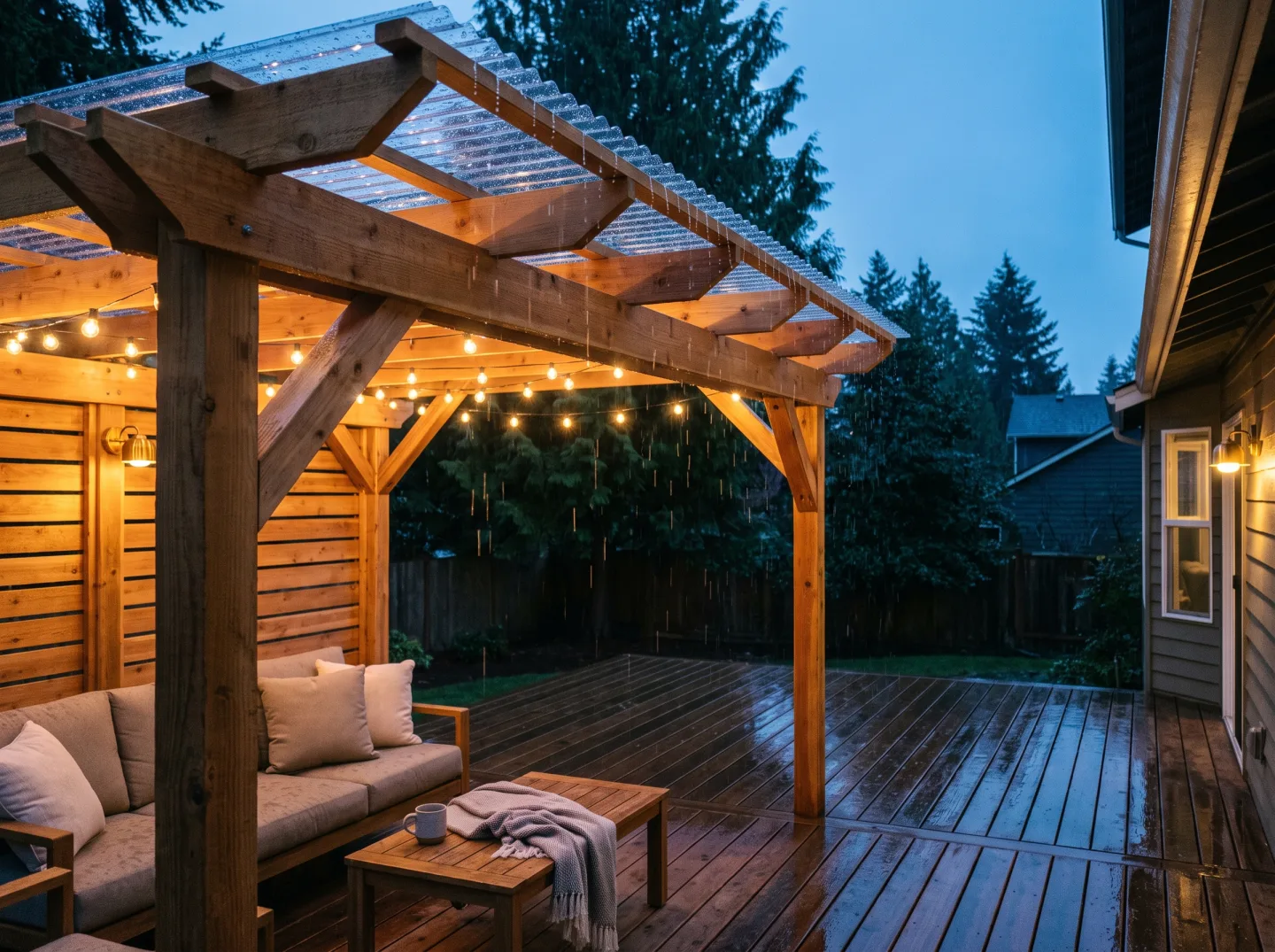
Table 6. Typical cost of pergolas and covers (national cost guides)
| Structure | Typical cost | Notes for Seattle homes |
|---|---|---|
| Open pergola (wood or aluminum) | About $2,100–$6,400; average around $4,250; roughly $30–$60 per sq ft | Custom cedar built onto a deck, with footings and engineering, runs higher |
| Pergola with polycarbonate roof | Commonly $6,000–$25,000 depending on size and materials | Needs gutters and drainage planning; usually permitted |
| Solid patio cover attached to the house | Typically the upper end of the range above | Ties into the roof line; almost always needs a permit and engineering |
See how we design pergolas and patio covers for rainy-climate living.
Railings and stairs: costs and code basics
Railings are priced per linear foot and the spread between materials is huge: a wood railing can cost a tenth of a glass one. Because a 16×20 deck can easily need 50–60 feet of railing, this one choice can swing the budget by $5,000–$20,000.
Table 7. Deck railing cost per linear foot, installed (national ranges)
| Railing type | Cost per linear foot | Look and upkeep |
|---|---|---|
| Wood (PT or cedar) | $20–$60 | Classic; needs sealing with the deck |
| Composite or vinyl | $40–$100 | Matches composite decking; low maintenance |
| Aluminum (powder-coated) | $60–$200 | Slim, modern, no maintenance |
| Cable (stainless) | $75–$260 | Keeps views open; cables need periodic tensioning |
| Glass panels | $200–$500, more for frameless | Unobstructed views; needs cleaning |
Seattle-area labor typically pushes these national numbers toward the upper half. Whatever the material, the code basics don't change:
- Guards are required where the walking surface is more than 30 inches above the ground below, and must be at least 36 inches high.
- Openings in the railing must not let a 4-inch sphere pass through.
- Stairs: risers no taller than 7¾ inches, treads at least 10 inches deep.
- Handrails on stairs sit 34–38 inches above the stair nosing and must be graspable.
More on design options in our railings and stairs service page.
Sealing and staining in a rainy climate
Wood decks in the Pacific Northwest need cleaning and sealing every one to three years — horizontal boards that sit wet under firs and cedars need it on the shorter end. Professional sealing typically costs $0.75–$4 per square foot, and a full sand, stain and seal about $2–$4 per square foot. Composite needs no sealing at all.
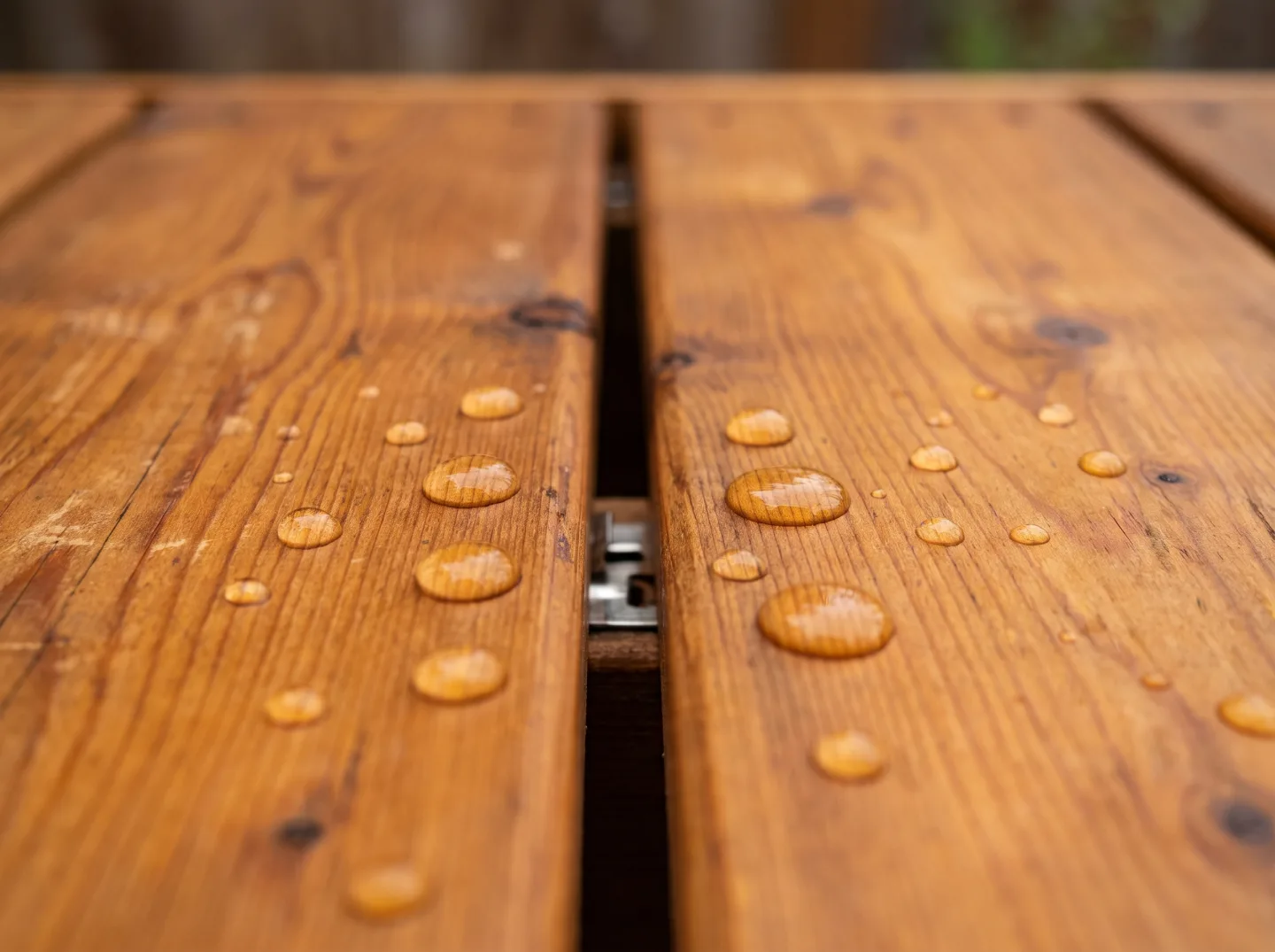
Table 8. Deck care costs and frequency
| Service | Typical cost | How often in Seattle |
|---|---|---|
| Clean and seal (clear or semi-transparent) | $0.75–$4 per sq ft; most projects about $550–$1,400 | Every 1–3 years |
| Sand, stain and seal | $2–$4 per sq ft; about $700–$1,400 for 350 sq ft | Every 2–3 years |
| Composite wash | Minimal — soap, water, soft brush | Once or twice a year |
The simple test: sprinkle water on the boards. If it beads, you're fine; if it soaks in within a minute, book the work for the next dry stretch. See our deck sealing and waterproofing service, including under-deck drainage for the space below.
Do you need a permit for a deck in Seattle or on the Eastside?
Usually, yes. In Seattle a permit is required for any deck more than 18 inches above the ground, any roof deck, and any deck in an environmentally critical area. Most Eastside cities follow the Washington residential code, which exempts only small, low, freestanding decks — 200 sq ft or less, no more than 30 inches above grade, not attached to the house and not serving the required exit door.
Table 9. Deck permit rules at a glance
| Location | Permit generally required when… | Watch for |
|---|---|---|
| Seattle (incl. Laurelhurst and Madison Park) | Deck is more than 18 in above ground, is a roof deck, or sits in an environmentally critical area | Most decks qualify for a simpler subject-to-field-inspection permit; a full permit applies if the deck is over 8 ft high, over 750 sq ft, has beams 14 ft or longer, or a solid surface. Setbacks apply to decks over 18 in. |
| Kirkland | Deck is more than 30 in above grade, sits over a basement or story below, or is part of an accessible route | Slopes, wetlands and shoreline areas must be shown on the plans |
| Bellevue, Redmond, Sammamish, Issaquah, Bothell, Mill Creek | Deck is attached to the house, over 200 sq ft, more than 30 in above grade, or serves the required exit door | Local amendments, HOA architectural review, steep slopes and critical areas |
| Mercer Island, Medina, Clyde Hill | Same state baseline as above | Shoreline and critical-area review on waterfront and hillside lots; design review in some neighborhoods |
Rules change and every lot is different, so treat this table as orientation, not legal advice. In Seattle, a deck that qualifies for a subject-to-field-inspection permit pays only 40% of the plan-review fee. Replacing a deck "like for like" still usually needs a permit if the new structure meets the thresholds above. On every Craft Boys project we check your address's requirements during the estimate and handle the drawings, submittal and inspections ourselves.
How long does it take to build a deck?
The build itself usually takes one to three weeks for a new deck; repairs take a few days and restorations two to five days. The calendar time before construction — design, HOA review and permits — is often longer than the build, which is why the best time to plan a summer deck in Seattle is winter.
Table 10. A typical deck project timeline
| Step | Typical timing |
|---|---|
| 1. Request and on-site visit | We reply within one business day; the visit takes about 30 minutes |
| 2. Written, itemized estimate | Within a week of the visit |
| 3. Design, HOA approval and permit | A few weeks for simpler permits; longer for full plan review or critical areas |
| 4. Construction | Repairs: a few days · Restoration: 2–5 days · New deck: 1–3 weeks |
| 5. Final inspection and walkthrough | At completion — then your written warranty starts |
We build year-round: framing and composite installation are fine in the rain. Staining and sealing need dry days, so those are scheduled for drier stretches, typically late spring through early fall. Spring and summer book up fastest. Read more about how our process works.
Does a new deck add value to your home?
Yes — decks are consistently among the best-returning home projects. In the 2025 Cost vs Value report, a wood deck addition recouped about 95% of its cost at resale nationally, and a composite deck about 88%. In the Seattle market, where usable outdoor space is valued highly, a well-built, permitted deck is also a selling point buyers notice — and an unpermitted or rotting one is a red flag inspectors catch.
How to choose a deck builder in Washington
The cheapest bid is rarely the cheapest deck. Before you sign with anyone — including us — check these points:
- Verify the registration on Washington L&I's Verify a Contractor tool. Registered contractors must carry a bond and liability insurance.
- Get a written, itemized estimate — materials, labor, permits, demolition and disposal listed separately — not a number on a business card.
- Ask who pulls the permit. If a contractor suggests skipping it, walk away: it's your house that carries the risk at resale.
- Keep the down payment reasonable and tied to milestones, and ask for lien releases from suppliers as the job progresses.
- Get the warranty in writing. Ours is a 10-year workmanship warranty on top of the manufacturers' product warranties — details on our warranty page.
- Ask who actually builds it. An in-house crew means the people who quoted the job are accountable for it. Craft Boys uses no subcontractors.
- Read the reviews and look at finished projects, not renderings. Here are our reviews and a Bellevue townhome deck rebuild.
For a printable version, grab our free contractor safety checklist at the end of this article.
Paying for your deck: financing options
You don't have to pay for a deck in one lump sum. Many homeowners finance through a home-equity line or a home-improvement loan. Craft Boys offers financing for qualified homeowners through GreenSky®; checking your options uses a soft credit inquiry that doesn't affect your score, and we go over terms during the estimate. See financing details.
Where we build: Seattle and the Eastside
Craft Boys is based in Redmond and builds, repairs and restores decks across King and Snohomish counties. Each area page covers what we build there and what to know locally:
- Deck builders in Bellevue
- Deck builders in Redmond
- Deck builders in Kirkland
- Deck builders in Sammamish
- Deck builders in Issaquah
- Deck builders on Mercer Island
- Deck builders in Medina
- Deck builders in Clyde Hill
- Deck builders in Bothell
- Deck builders in Mill Creek
- Deck builders in Laurelhurst
- Deck builders in Madison Park
Not sure if we cover your street? See all service areas or just ask us.
Deck cost FAQ
What is the cheapest way to build a deck in Seattle?
Keep it simple: a rectangular, ground-level deck in pressure-treated lumber, under 18 inches high in Seattle or under 30 inches on the Eastside, with few or no stairs. Low decks may not need a guardrail or, in some cases, a permit. Budget for sealing every 1–3 years, which is the trade-off for the low upfront price.
Is composite decking worth it in Seattle?
For most owners who plan to stay 10 years or more, yes. Composite costs roughly 25–35% more than cedar to install, but it doesn't rot, splinter or need sealing in our wet climate. Over about a decade, the money saved on re-sealing closes most of the price gap, and composite boards carry 25–50-year manufacturer warranties.
How long does a deck last in the Pacific Northwest?
A well-maintained pressure-treated or cedar deck typically lasts 15–20 years here, composite decking 25–50 years and Ipe 40 or more. The framing is usually what limits a deck's life, so ground-contact posts, ledger flashing and joist protection matter as much as the boards you walk on.
Can you build a deck in winter in Seattle?
Yes. Footings, framing and composite installation go ahead in the rain; only staining and sealing wait for dry weather. Winter is also the smartest time to design and permit a deck, so construction can start in spring before the summer rush.
How much does it cost to replace just the deck boards?
Resurfacing — new decking and often new railing on the existing frame — costs well below a full rebuild because the footings and framing stay. It only makes sense if the framing is sound and has many years left, so we always inspect the joists, beams and ledger before recommending it.
How much does a 12×12 deck cost in Seattle?
A 144 sq ft deck typically costs about $6,500–$9,400 in pressure-treated wood, $7,900–$11,500 in cedar and $10,100–$15,100 in composite, before sales tax. Small decks cost more per square foot than large ones because footings, stairs, permits and setup are fixed costs.
Do I need HOA approval before building a deck?
If your home is in an HOA — common in Sammamish, Issaquah, Redmond and Mill Creek neighborhoods — you usually need architectural approval before the city permit. Plan for it in your timeline; we help with the drawings and material samples HOA boards usually ask for.
Does a covered deck or pergola need a permit?
A roofed patio cover attached to the house almost always needs a permit and engineering for snow and wind loads. A small freestanding open pergola may be exempt in some cities, depending on its size and height. We confirm the rules for your address during the estimate.
Get your exact number — not a range
Licensed and insured in Washington (Lic. #HOMERRA771N2), 12 years building in Seattle, 300+ decks built and restored, 10-year workmanship warranty. Tell us about your project and we'll reply within one business day.
Book a free estimate